What can you not advertise on TikTok in 2026? The complete prohibited content checklist across TikTok's three restriction tiers, tier by tier.
Our Three-Tier Cheat Sheet for TikTok Ad Content: Know Where You Stand Before You Spend a Penny
Here's the thing nobody explains clearly when you first set up TikTok advertising: before you build a single frame of creative, you need to know which bucket your product or service falls into.
TikTok's own Advertising Policies sort things into prohibited and restricted content. The three tiers below are our shorthand for that, plus a “normal products” tier so you know where everyone else lives.
Getting this wrong isn't just a rejected ad. Depending on what you're advertising and how aggressively you push it, it can cost you your entire ad account.
🔹 Tier 1: You're Good to Go: Standard products and services that play by TikTok's general content rules. Consumer goods, SaaS, retail, fashion, food and beverage, education. No special permissions needed, just follow the general advertising guidelines and you're fine.
🔹 Tier 2: Proceed With Caution (and Paperwork): Your product is legal, but it's sensitive enough that TikTok adds extra conditions before you can run anything. Alcohol, gambling, financial services, supplements, pharmaceuticals, dating apps, political advertising in eligible markets. Depending on the category and the market, that can mean licences, certification, a TikTok sales rep, age targeting, specific disclosures, or a mix of them before your first ad goes live.
🔹 Tier 3: Hard No: Things TikTok does not allow, regardless of their legality in your market. No documentation, no approval application, no workaround makes this category work. Don't waste your time trying.
Knowing your tier upfront is how you protect your ad account and your monetisation strategy from violations that were entirely avoidable.
Tier 3: The Full Prohibited List (Don't Even Try) 🙅♀️

Tobacco, Cigarettes, and Vaping
Flat-out prohibited.
TikTok's Dangerous Products or Services policy lists tobacco, nicotine and vapes as prohibited. Cigarettes, e-cigarettes, vape devices, hookah products, smokeless tobacco and the accessories that go with them: none of it.
Edge case worth knowing: The only carve-out the policy mentions is for some non-pharmaceutical quit-smoking products. Nicotine patches, gum and lozenges are still nicotine, so don't assume they get a pass. Check the policy for your market before building anything.
Illegal Drugs and Drug Paraphernalia

Prohibited.
Recreational drugs, substances marketed to simulate controlled drug effects, and accessories primarily associated with drug use are all off the table. The one exception to the drugs rule is prescription medication, which is only allowed in the US and Canada and comes with its own conditions.
Edge case: CBD. It isn't addressed by name on the Dangerous Products page, so nobody can promise you it's fine. Treat CBD as a “no” until TikTok's policy for your specific market says otherwise.
Weapons and Firearms
Prohibited.
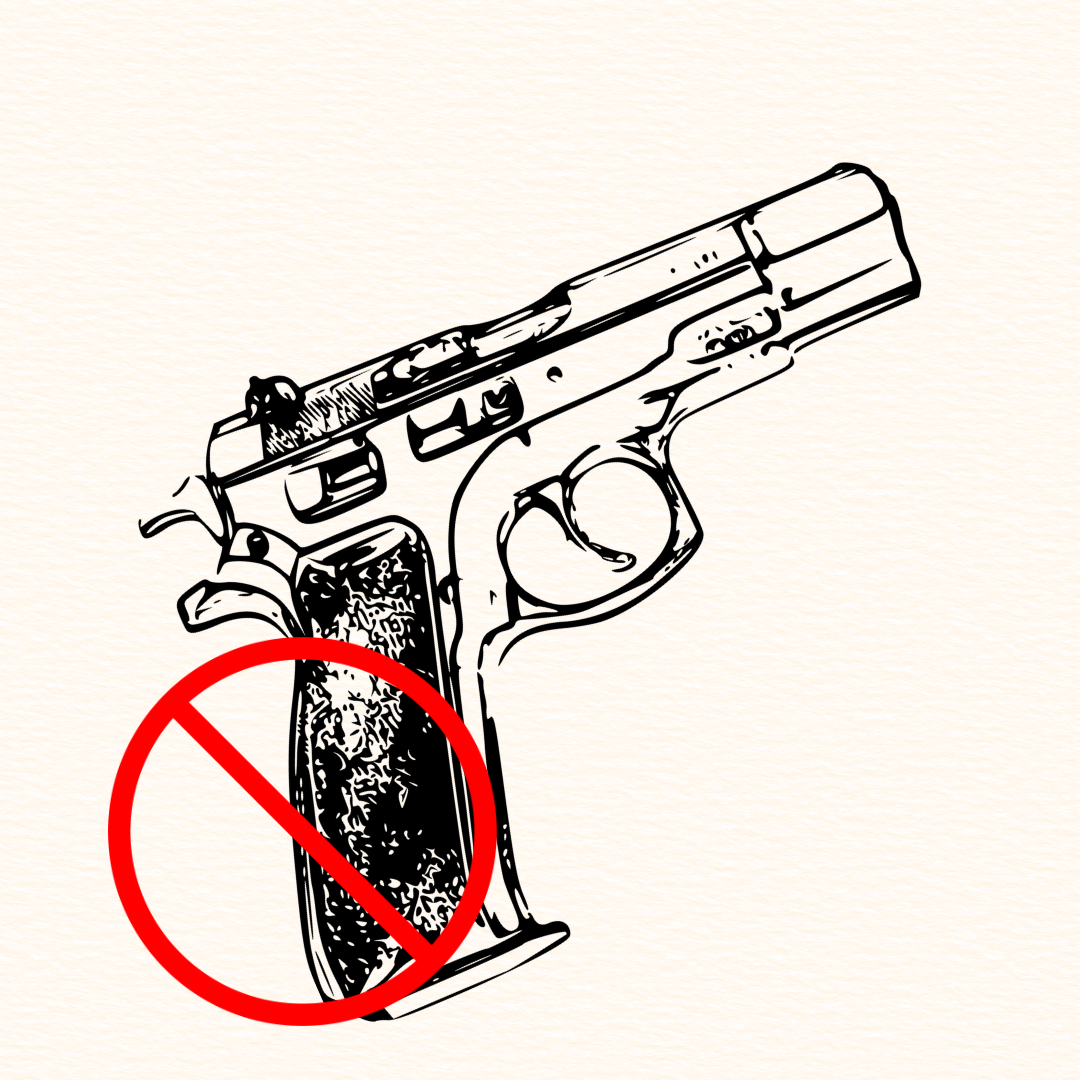
No advertising firearms, ammunition or other weapons. The one soft spot: toy guns and water guns are only allowed if they don't look realistic. If it could pass for the real thing at a glance, expect a rejection.
Explicit Adult Content and Services

Prohibited.
Sexually explicit content, escort services, and pornographic platforms cannot be directly advertised, full stop. Dating apps are a different story: TikTok's Adult Content policy treats them as a restricted category. You need to work with a TikTok sales rep and target 18+ only, and the policy keeps a country-specific list of where dating app ads are not allowed.
Planning to promote a dating app in a high-sensitivity region like the Middle East? I wouldn't bet your budget on it. Check that country list for your target market before you build anything 🚫
Counterfeit and IP-Infringing Goods

Prohibited.
Counterfeits, replicas and imitations, non-genuine goods passed off as genuine, and unauthorised use of third-party names, logos or brands. Non-negotiable, no exceptions. We break the policy down in our counterfeit ads post.
Deceptive Schemes and Fraud
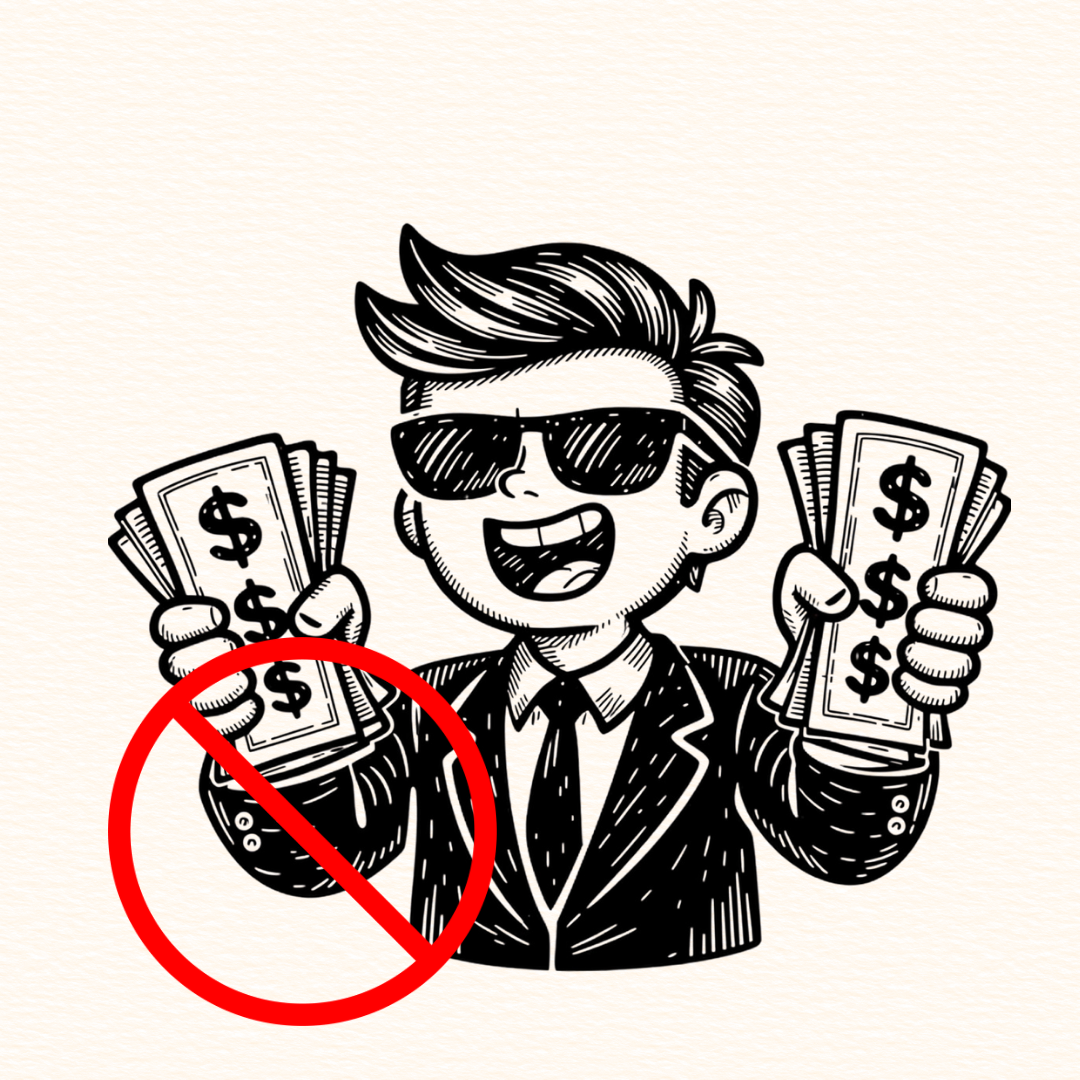
Prohibited, and this category is broader than it sounds. TikTok's Deceptive Practices policy names get-rich-quick claims, unrealistic financial expectations and guarantees of winning. These are the traps I see catching advertisers who don't realise they've crossed the line:
- Get-rich-quick schemes and investment fraud (named in the policy)
- MLM recruitment-focused advertising (the product itself may be fine; the recruitment pitch targeting financially vulnerable people is not)
- Fake engagement services, like buying followers, reviews or certifications
- Bait-and-switch offers, where the ad promises something the landing page doesn't deliver
The MLM and fake engagement items are my read of where reviewers draw the line, not wording lifted from the policy page. Read the policy for the exact language.
Not sure what category your product or services falls under? Send us a message.
Tier 2: The Restricted Categories (Jump Through the Hoops First)
Financial Products and Services

Restricted, and actively enforced.
Loans, investments, crypto, insurance products, credit cards, and financial advisory services generally need evidence of licensing or registration, and what is allowed varies a lot by market. Some products are barred in many markets (payday loans, for example, are not allowed in the US, Canada, Australia, New Zealand or Ukraine). TikTok's Financial Services policy, last updated in September 2026, is the list to check, because it moves often.
What gets flagged immediately: ads promising specific returns, claiming risk-free investing, or leaving out the risk. The Deceptive Practices policy specifically covers unrealistic expectations and ads that don't mention the risk of the product or service.
Not sure? Reach out to us for a discovery call on what works and does not for financial products and services ad on TikTok.
Health Products and Dietary Supplements
Restricted, and probably the category where the most creators get unexpectedly caught.
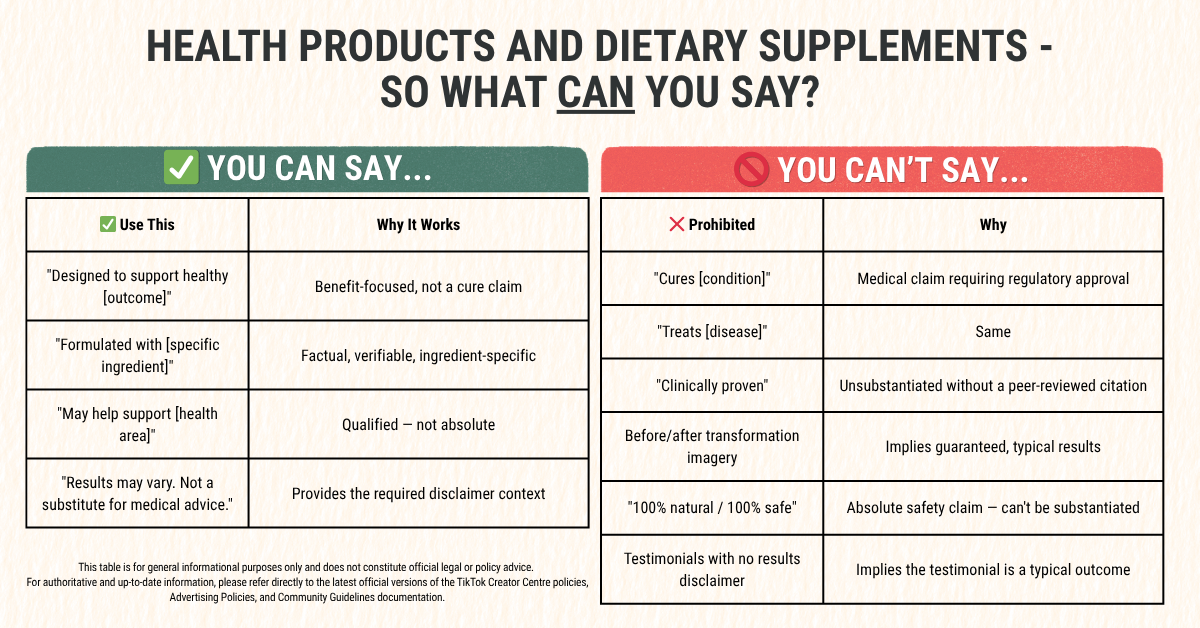
The line between a compliant wellness claim and a prohibited medical claim is thinner than most people realise, and TikTok enforces it aggressively.
As long as a form of medical claim is made even for selling that innocent looking energy bar, it will be flagged.
The market lists live in TikTok's Healthcare and Pharmaceuticals and Weight Management policies. Weight loss supplements and meal replacements, for example, are now allowed in many markets (with conditions), so don't rely on a blanket “banned” assumption from an old blog.
Gambling and Wagering

Restricted.
Online casinos, sports betting platforms, poker apps, real-money fantasy sports: TikTok's Gambling and Games policy says gambling ads are only allowed in specified markets, and you must go through TikTok's certification process first. Not necessarily good to go! And the list keeps shrinking: TikTok's October 2026 update prohibits all online gambling ads in Brazil.
Casual games with no real-money component are usually a different, easier category, but read the same policy page anyway. “Games” is in the title for a reason 😊
Alcohol
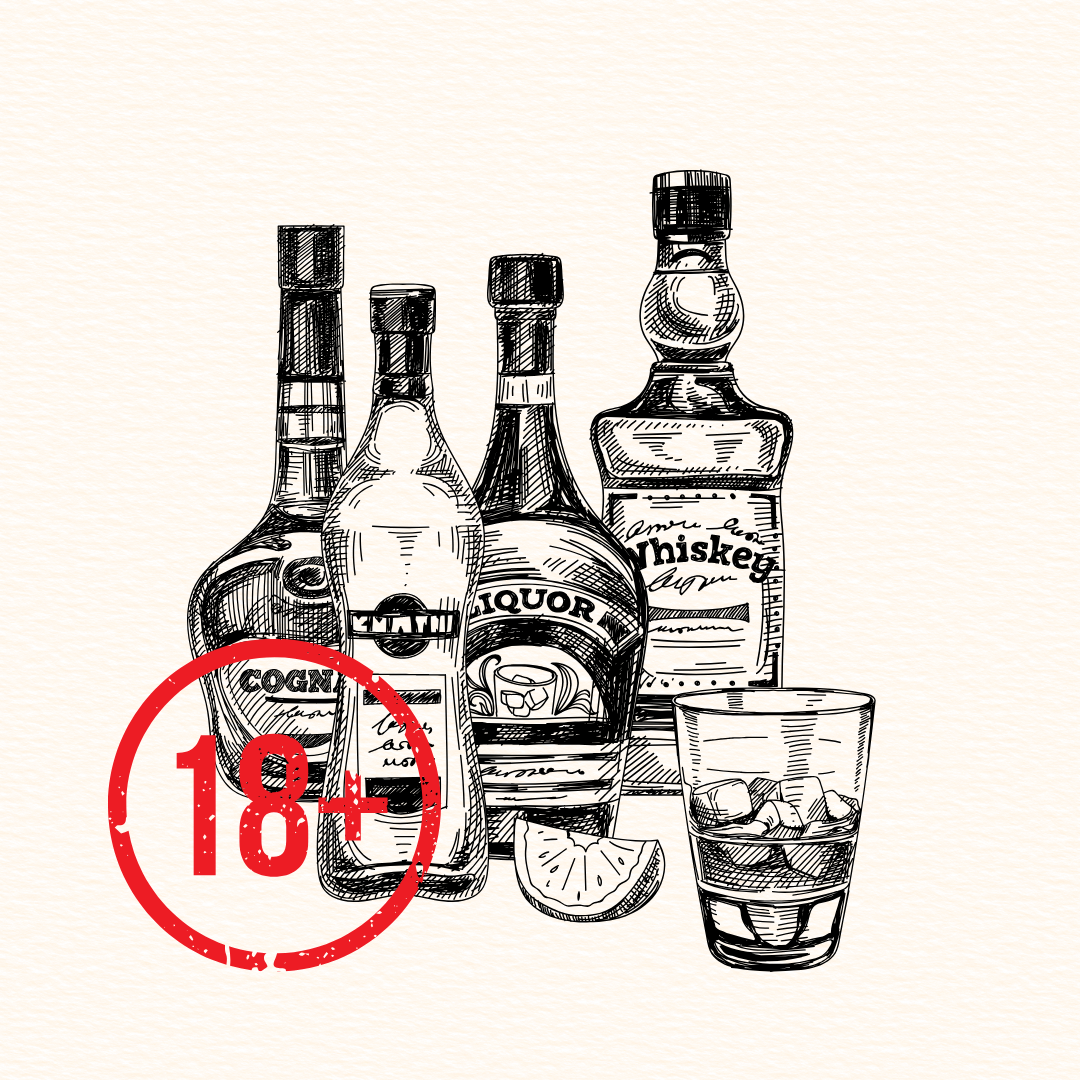
Restricted.
Per TikTok's Alcohol policy, you need the right licences, a responsible drinking disclaimer in the ad, and nobody under 25 appearing in the content. Which markets allow alcohol ads, and on what terms, is set out on the market-specific requirements page, which gets updated regularly (there was a July 2026 update).
Always verify the market list before investing in any alcohol campaign.
How to Fix “Misleading Claims” on TikTok Ads: The Step-by-Step
“Misleading claims” is the most common, and honestly the most infuriating, rejection category on TikTok.
It's vague.
It's broad.
And TikTok's rejection notice rarely tells you which specific phrase or visual element actually triggered it.
The baseline is TikTok's Misleading and False Content policy: ads and landing pages must not promise or exaggerate results, before-and-after comparisons are barred, and AI-generated content has to be labelled. The steps below are our checklist built on top of that.
Here's a systematic four-step approach to diagnosing and resolving it:
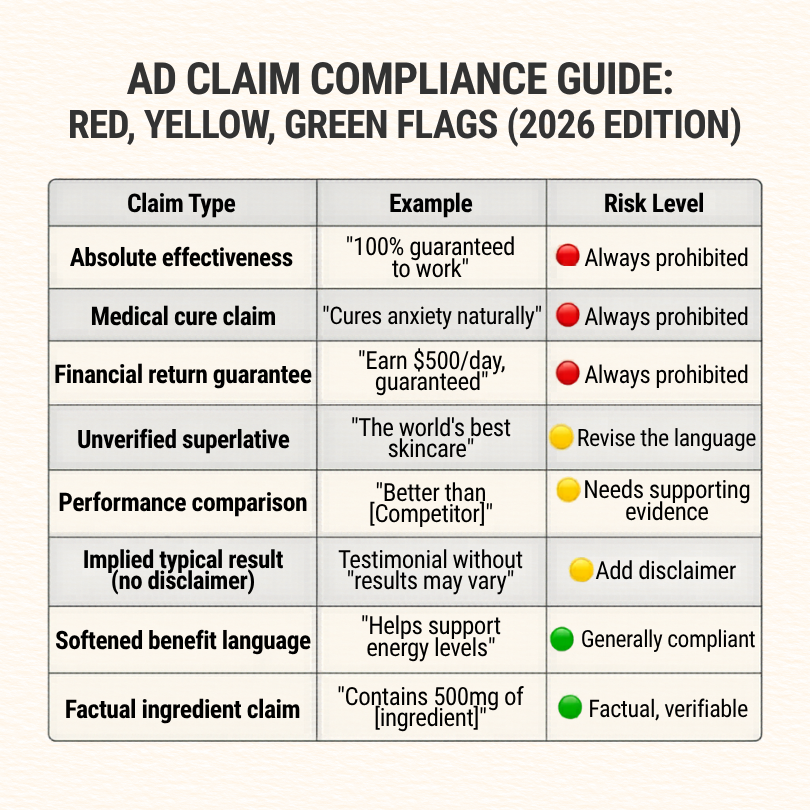
Step 1: Map Your Risk Level
Go through every element of your ad (video, voiceover, text overlays, headline, description fields, and landing page) and rate it against this matrix:
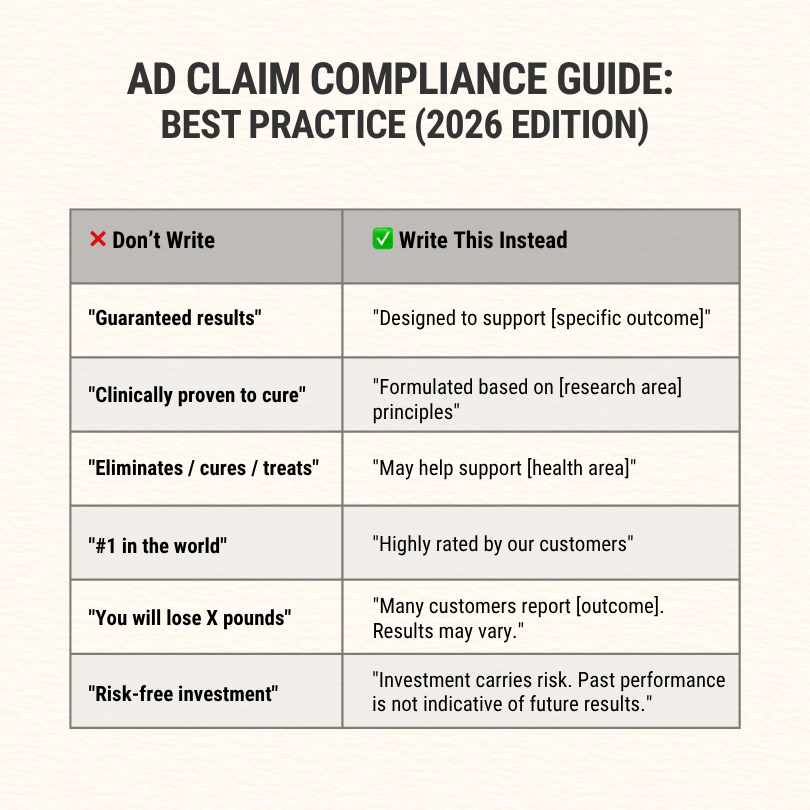
Step 2: Replace Everything Red and Yellow
Step 3: Audit Your Landing Page Completely Separately
Here's where people fall apart: they fix the video, forget about the page, and get rejected for the same reason 🤦♀️
TikTok's policy covers your landing page as well as your creative, so it needs its own check.
A perfectly compliant video ad can still be rejected because of what the landing page says.
Landing page audit checklist 📋 (ours, not TikTok's wording). Make sure there are NO:
✅ Claims that escalate beyond what the ad creative states
✅ Testimonials without a “results may vary” or equivalent disclaimer
✅ Before/after imagery without explicit outcome qualifiers
✅ Unsourced statistics or “X% of users report” claims
✅ Financial products without risk warnings visible without scrolling
Step 4: Fix First, Then Resubmit, Not the Other Way Around
This is the mistake that's costing people time: appealing a misleading claims rejection without actually changing anything.
TikTok's appeals team reviews against the exact same policy standard.
You'll get the same result. And there's a catch: you cannot edit an ad after you appeal it, so appeal too early and you've locked in the version that got rejected.
The correct sequence:
- Edit the video, ad copy, and landing page to resolve the violations
- Re-export the video if text overlays were changed
- Upload the revised creative and resubmit
- If after your revisions you still believe the rejection is wrong, THEN appeal, with a specific explanation of what was changed and why it now complies
What Does “TikTok Monetization Restricted” Actually Mean?
This one causes a lot of confusion because creators see it in different places and assume it means the same thing everywhere.
Let's clear it up.
“TikTok monetization restricted” is primarily a creator monetisation status affecting organic earning features, like LIVE gifts, subscriptions and creator reward programmes. It operates separately from your advertising account.
Ad account enforcement and creator monetisation restrictions run through separate systems. TikTok doesn't publish exactly how they interact, so treat the advice below as precaution rather than gospel: a serious Community Guidelines problem on your organic profile is not something you want to find out about mid-campaign.
Assume the firewall exists, but don't test how thick it is.
Practical advice for SMEs and agencies: run paid campaigns through TikTok Business Manager accounts that are separate from personal creator profiles.
This creates a structural separation between your organic creator activity and your advertising compliance, so a problem in one is less likely to spill into the other.
How to Appeal a TikTok Ad Decision
So you've done everything right, made the fixes, and TikTok still says no, or you genuinely believe the rejection was a system error. Here's how One Click Appeal works:
- Go to TikTok Ads Manager and open the Campaign tab
- Hover over the rejected ad's status and click “View more”
- Hit “Appeal”
- Write a specific, evidence-based description (up to 2,000 characters) that:
- References the exact policy cited in the rejection
- Explains what you changed (or why the original content was compliant)
- Comes with supporting files if relevant, such as licences, certifications or study citations (up to 5 files)
- Submit. TikTok aims to respond within 24 hours, but may take longer in rare cases
Know the limits before you click: you get one appeal per incident, you can't edit the ad afterwards, and you can't appeal while the whole account is suspended.
Appeals that work:
- Specific explanation of what changed and why you're now compliant
- Direct policy reference in your argument
- Supporting materials attached when available
Appeals that don't work:
- Submitting the same content unchanged and asking for a second opinion
- “Our product is legal and we believe this is unfair”
- Appeals for Tier 3 prohibited content. The appeals process doesn't change a policy; these are non-negotiable
Frequently Asked Questions
What are TikTok's three ad content tiers?
TikTok itself publishes prohibited and restricted content lists. We sort them into three tiers to make them easier to use. Tier 1 covers standard products needing no special permissions. Tier 2 covers restricted categories like alcohol, gambling, financial services, and supplements that need licences, certification, approval or disclosures first, depending on the market. Tier 3 covers content that is prohibited with no workaround.
What is completely prohibited from advertising on TikTok?
Tobacco, nicotine and vaping products, drugs and drug paraphernalia, weapons and firearms, sexually explicit content and services (think of porn and promotion of an OnlyFans account), counterfeit or IP-infringing goods, and deceptive schemes such as get-rich-quick offers and guaranteed winnings. Always check the policy page for your market, because a few categories have narrow exceptions.
What TikTok ad categories require special approval?
Financial products and services, health products and dietary supplements, gambling, alcohol and dating apps, among others. Depending on the category and market, you may need licences, certification, a TikTok sales representative, age targeting or specific disclosures before a single ad can run, and some categories are not allowed in certain markets at all.
How do I appeal a rejected TikTok ad?
In Ads Manager, go to the Campaign tab, hover over the ad status, click View more, then Appeal. Write a specific description of up to 2,000 characters and attach up to 5 files. TikTok aims to respond within 24 hours, though it can take longer in rare cases. You get one appeal per incident, you cannot edit the ad after you appeal, and appeals only work if the content actually complies.
Last reviewed: 22 October 2026, against TikTok's Dangerous Products or Services, Adult Content, Gambling and Games, Alcohol, Financial Services and Misleading and False Content policy pages and the One Click Appeal guide.
This article reflects TikTok's official policy guidelines as published at the time of writing. TikTok updates its policies regularly, so always refer to the TikTok Advertising Policies page for the latest information. First Review accepts no liability for changes made after publication.


